Bangladeshis among 29 nationalities trafficked to fight for Russia: UN probe
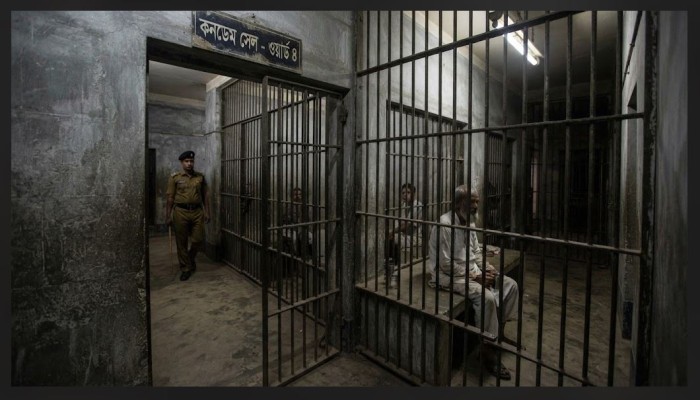
 Symbolic Image
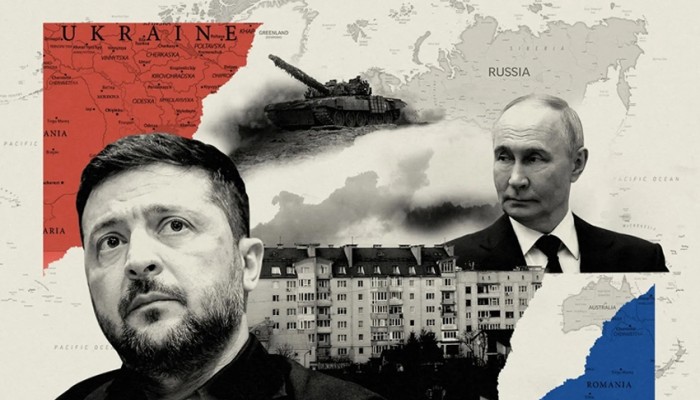
Nationals from 30 countries, including Bangladesh, were recruited for the Russian military through deceptions and coercion, according to a UN independent inquiry commission focused on Ukraine war.
The findings were presented at the United National General Assembly on Monday.
The findings did not specify the number of Bangladeshis recruited to fight for Russia in the Ukraine war, or those employed in the Russian military.
Many of those trafficked were killed, injured, captured or went missing, it said.
The victims were selected from marginal and low-income families and lured into Russia with false promises of high-paying jobs as security guards, drivers, construction workers, mechanics and others, the report noted.
The trafficking victims were predominantly male and aged between 18 and 60 years. Traffickers picked victims from Asia, Africa and Latin American countries that included India, Nepal, Pakistan, Nigeria, Kenya and Sri Lanka, alongside Bangladesh.
Upon reaching Russia, many were taken to temporary shelters, instead of their promised private workstations, and eventually handed over to the Russian military.
They were given recruitment contacts written in Russian for joining the military. Due to language barriers, many signed without knowing what awaited them, and those reluctant to sign on to something they didn’t understand faced duress in the forms of police harassment, and prison.
Torture and murder were also used as means of pressure.
The passports and mobile phones of the victims were snatched beforehand, the UN inquiry found.
The UN probe team said Russian authorities were directly involved in the trafficking, illegal hiring and other human rights violations. The probe panel urged the Russian government to immediately stop such recruitment, relieve the trafficked victims from military duties and ensure justice against those involved in the process.
Traffickers and middlemen took between $400 and $8,000 as service charges from the Bangladeshi victims.
Upon enlisting for the Russian military, the new recruits were given training for a period anywhere between 20 minutes to one month, the UN-backed report says.
They were used to dig trenches, transport food and critical supplies for Russian troops, rescue injured troops from the frontlines, recover dead soldiers and even engage in direct action in the fronts.
Retreat was often met with gunfire from the Russian side, the UN-backed report alleged.
There were also instances where the promised salaries were not given, and deposits in Russian bank accounts were withdrawn.
Shariful Islam Hasan, an official at the migration programme of BRAC, told reporters that around 8,500 Bangladeshis were sent to Russia through legal channels over the past two years.
However, uncertainties remain over their fate, Shariful said, asking the government to urgently inquire after their well-being.
Despite the risks, official data confirms that at least 7,949 employment clearances were issued for Russia from Bangladesh over the past two years.
A joint investigation by Fortify Rights and Truth Hounds in March this year identified at least 104 Bangladeshis recruited into the Russian military, at least 34 of whom were reportedly killed.

 Symbolic Image